Rebooting a Couples Fitness Challenge After Losing Momentum
Lower your standards, not your commitment, to restart a couples fitness routine.
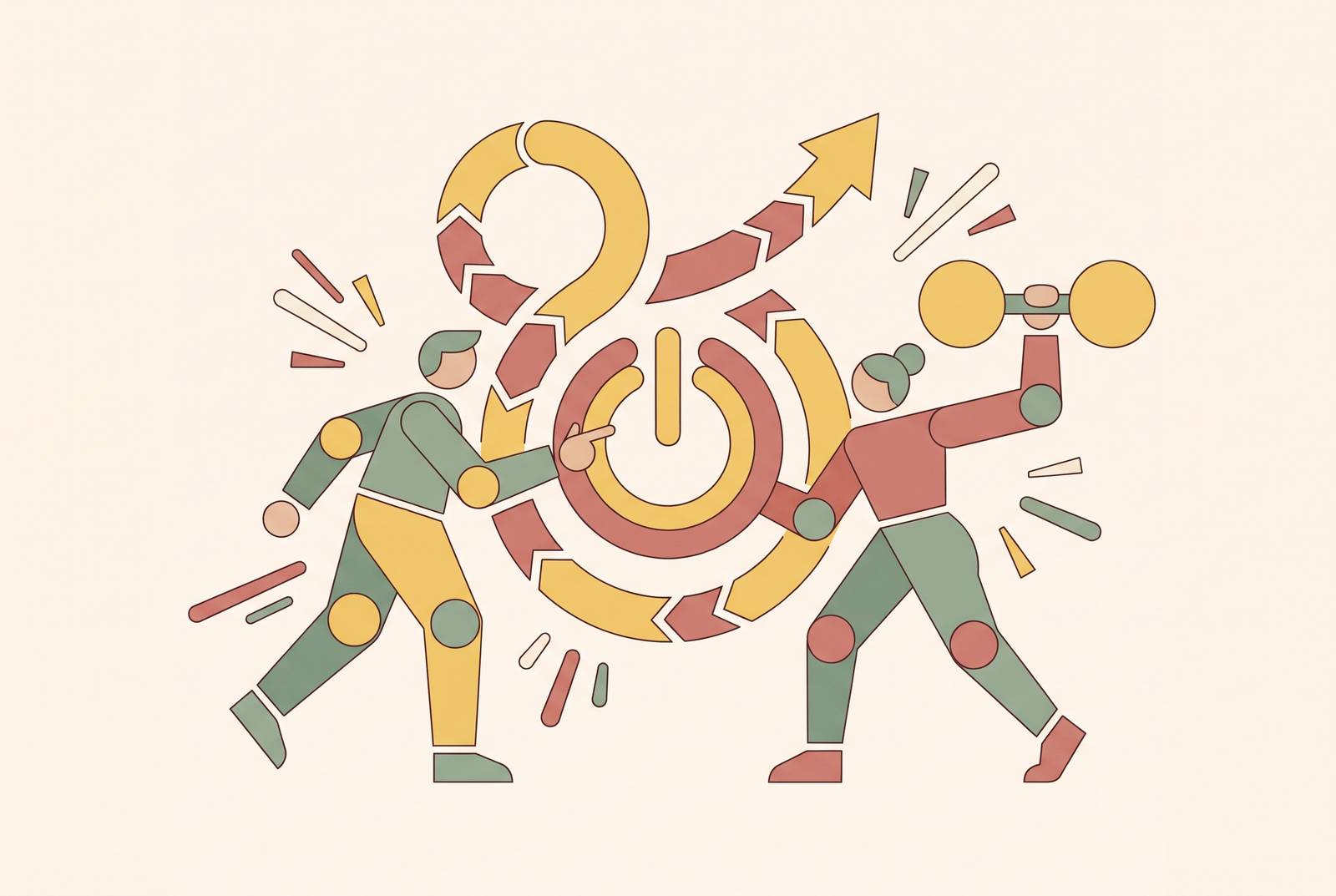
Couples can help each other stick to working out by setting weekly goals they can meet, taking a SweatCam photo of each session, and checking in without grading how well each person did. Rebooting a stalled couples fitness challenge means making the plan fit real life. A smaller commitment with a visible check-in keeps both partners connected, even when their schedules and energy do not match.
Why couples fitness challenges stall in the first place
Motivation is an emotion. It fluctuates, which leaves a new fitness habit vulnerable once the excitement fades but before exercise feels automatic. A plan that worked in the first week, when both partners were eager, may not fit a normal week of work and other things to do. The calendar has not signed your promise to keep fit. If the challenge depends on both people feeling ready at the same time, that mismatch can stop it before either person has settled into a routine.
The all-or-nothing trap turns that scheduling problem into a verdict. An intense plan leaves little room for a missed session, so an ordinary interruption starts to feel like total failure. Between partners, the next step can be blame, with one person feeling let down and the other feeling judged. That is a heavy load for a missed workout. Treating the stall as a flaw in the plan, rather than in either partner, makes it possible to change the conditions without putting the relationship on trial.
Why reaching for a harder challenge after a stall makes things worse
Starting over with stricter rules can feel like a clean slate. More training days, tighter rules, or a fresh 30-day challenge seem to offer what the first attempt lacked. The appeal is understandable, especially when both partners want evidence that this time will be different. A tough plan makes it look as if both partners are committed before anyone has done a workout. Unfortunately, it also asks for more from the same lives that could not comfortably sustain the earlier version.
The early burst of novelty can hide that problem. Willpower gets the challenge moving, but it cannot reliably cover a large gap between the routine you have and the one you have promised. Gold’s Gym says that pushing too hard before the body has time to recover makes workouts feel harder and less fun. Now starting over takes more time and feels less good. It is the fitness equivalent of fixing an overfull inbox by subscribing to more newsletters.
For couples, another stop can also add emotional weight. The next attempt begins with the memory of having restarted and stalled. If you have already tried the tougher version, that history is not a reason to raise the stakes again. A useful reboot lowers the effort needed to begin while keeping the commitment clear enough that both people know what counts.
What a lower-friction rebuild actually looks like in practice
Start with the week you can realistically live. Gold’s Gym recommends beginning with three training days if that is what your schedule allows, rather than trying to train six days before the habit is established. The useful number is the one that fits current capacity. For a smaller starting point, two sessions can be a legitimate weekly goal. A ten-minute walk can count as a session rather than as an apology for not doing something longer.
Shared goals do not require every workout to be shared. Doing some sessions together and some alone makes them easier to fit in, while leaving time for each other and for each person’s own goals. One partner’s available slot does not have to become a negotiation over the other partner’s calendar. The shared commitment becomes showing up and staying connected, rather than finding a perfectly synchronized gap in two busy lives.
To make starting easier, shrink the first action. The two-minute rule makes the entry step small enough to begin without a lengthy internal debate, then gives you room to build from there. Shoes by the door or an unrolled mat remove some of the setup that otherwise sits between intention and movement. Going at the same time also gives the routine a predictable cue. None of this is glamorous, which is rather the point, because glamour makes a poor substitute for having your shoes ready.
“Never skip two in a row” gives a missed session a place in the plan without allowing it to quietly become the new routine. Between partners, that rule works as an agreed return point. The structure should make the next session easier to approach.
How can couples hold each other accountable with a weekly photo check-in?
Set a weekly goal for movement, then record each session with a photo. That closes the gap between intending to exercise and both partners knowing it happened. SweatCam is the tool for this photo check-in, making the effort visible without requiring a shared workout. The photo is proof of participation. At the end of the week, the check-in has something concrete to return to.
A workout photo gives a partner something personal to respond to. A number on a chart can show progress, but it needs interpretation before it says much about the person behind it. A post-walk photo makes the effort immediate and recognizable. Gold’s Gym notes that recording each visit reminds people that they are following through on the habits they set. The photo gives that record a human face, including on a week when showing up took more effort than the workout itself.
The response is part of the reward. A partner can see that effort without asking whether the session was long enough, hard enough, or good enough to earn a small awards ceremony. When both partners understand the photo this way, sharing becomes a way to stay connected.
This also answers how partners can motivate each other without constant reminders. The goal they agreed on and the photos of each session show how much each person has done, without the need to keep asking. Each person records their own effort, and the other witnesses it. The weekly conversation can then focus on how the arrangement is working, rather than turning every evening into an inquiry about whether a workout happened.
Why beginners and returning exercisers need the photo check-in for different reasons
For beginners, the first task is getting the habit started. A ten-minute neighborhood walk needs to feel worth doing and taking a photo of, even though it is short. Setting a SweatCam weekly goal at two sessions gives that manageable effort a clear place in the challenge. Gold’s Gym says to start with fewer, shorter sessions so that training feels like something people can keep doing without it becoming too much. The photo completes the loop by making a modest beginning visible, instead of letting it disappear beneath an imagined standard for a “proper” workout.
Previous stops and starts can make returning feel harder because the person is comparing the present attempt with earlier routines or earlier disappointments. A photo of today’s effort shows that the person followed through. In that sense, it can reinforce an identity as someone who shows up again, without claiming that the old routine has already returned. The photo is not a time machine, and it does not need to be.
Experienced exercisers may still miss having performance data to focus on. A slightly higher weekly goal can give them a suitable commitment while the photo anchors the reboot in consistency. That does not make their check-in more valuable than a beginner’s walk. The shared check-in shows how much each person has done from their own starting point. Partners can therefore get different kinds of reassurance from the same practice, with one building a new habit and the other rebuilding confidence in returning to it.
This difference is a strength of the check-in. It does not require the couple to settle on one definition of a challenging session or one shared level of experience. Each person takes a photo of their own effort, and both get credit for it. The connection comes from the ritual. That gives partners a way to support each other without making either person’s training history the standard for the relationship.
What to do when one partner re-engages before the other
One partner may feel ready to commit while the other still finds it hard to start, and neither is a better teammate because of how they feel. Pushing the partner who takes longer to start again can make them feel pressured, especially if eagerness to help starts to sound like telling them what they are doing wrong. Let the structure bridge that temporary gap.
Set a weekly goal for each person and agree to support both. One partner can log four sessions while the other logs two, with each succeeding against their own number. That removes the requirement to match output before the couple can celebrate progress. The more engaged partner’s photo should remain a signal of their own effort. Cheering for participation and accepting bad days without judgment keep fitness from becoming ammunition in a separate disagreement.
A short talk each week gives each partner time to explain what the photos cannot show. Talk about what worked, what did not, and what each person needs from the other. The tone should be loving. This is not a quarterly review with trainers on. A clear request for support is more useful than expecting a partner to guess whether encouragement, company, or less pressure would help.
If both partners enjoy a little competition, a friendly wager or small reward can add play. A low-stakes bet on who reaches their own weekly goal first keeps the target personal. It should lighten the arrangement. Celebrating showing up keeps attention on movement toward the habit. Make participation welcoming enough that the less-engaged partner can return without first having to defend the delay.
How to set the first week's goal so the reboot actually holds
Choose the first week’s numbers together, but let them differ. Two sessions is a valid starting point if that is what each person can realistically manage. Gold’s Gym recommends measurable steps such as “train three days this week”. Give the sessions a manageable duration as well.
Take a SweatCam photo of each session once it is done. Something from the workout or a post-walk selfie can mark that it happened without turning the check-in into a production. At the end of the week, briefly discuss whether each person reached their number and what made it easier or harder. Keep what worked available for the following week. The aim is a repeatable loop.
If a goal was missed, examine the friction point. Which session was difficult to fit, what was happening that week, and what would make the same goal easier next time. Those answers give the couple something to adjust. Both partners coming back for week two shows that the reboot is working. A reboot is not a grand event, but the first repetition of something small enough to do again.