Bonding Activities for Couples That Double as Workouts
Shared workouts build relationship skills through real-time coordination and vulnerability.
The best bonding activities for couples double as workouts because they require attention, trust, and a little shared effort. Walking, dancing, and partner exercises are different ways to build that connection. The winning choice is the one both partners keep returning to, with a simple check-in habit to help when motivation has other plans.
Why couples who move together bond differently than couples who work out separately
Moving together gives partners repeated chances to respond to each other in real time, which they cannot do when they exercise alone. Matching pace or coordinating a squat requires attention to another person’s body. Movement synchronization is sometimes linked to mirror neurons, brain cells thought to play a part in empathy, but there is little evidence for that link, and it is still disputed. The clearer relationship mechanism is less mysterious. Saying that you need to slow down makes it normal to be vulnerable, even outside a hard conversation.
BYU’s August 2026 study of newly married couples found that conjoint exercise was associated with better communication, stronger conflict-resolution, and lower marital conflict. Those associations were consistently stronger than those for individual exercise. Association does not establish that exercise caused the differences. Still, the findings support treating shared movement as a relationship activity rather than two private workouts that happen to occupy the same floor.
How shared workouts build relationship skills that carry over into daily life
The transfer from workout to daily life begins with small, observable behaviors. A partner notices a strained expression, eases the pace, or waits without making the pause feel like an inconvenience. That is communication practice with very little room for a speech. The same patience used while someone catches their breath can help when they need time to process an emotion. An encouraging nod during a hard set can become a familiar signal of support during a stressful conversation.
A glance can suggest another set, while a gesture can ask for a break without stopping everything for negotiations. Moving in step also gives an argument a natural break, because keeping pace on a hill takes attention that might otherwise go into keeping the fight going. The endorphin state afterward can offer a calmer opening for conversation. A workout can be a rehearsal space for listening and responding.
Walking and outdoor movement — the most accessible entry point for couples
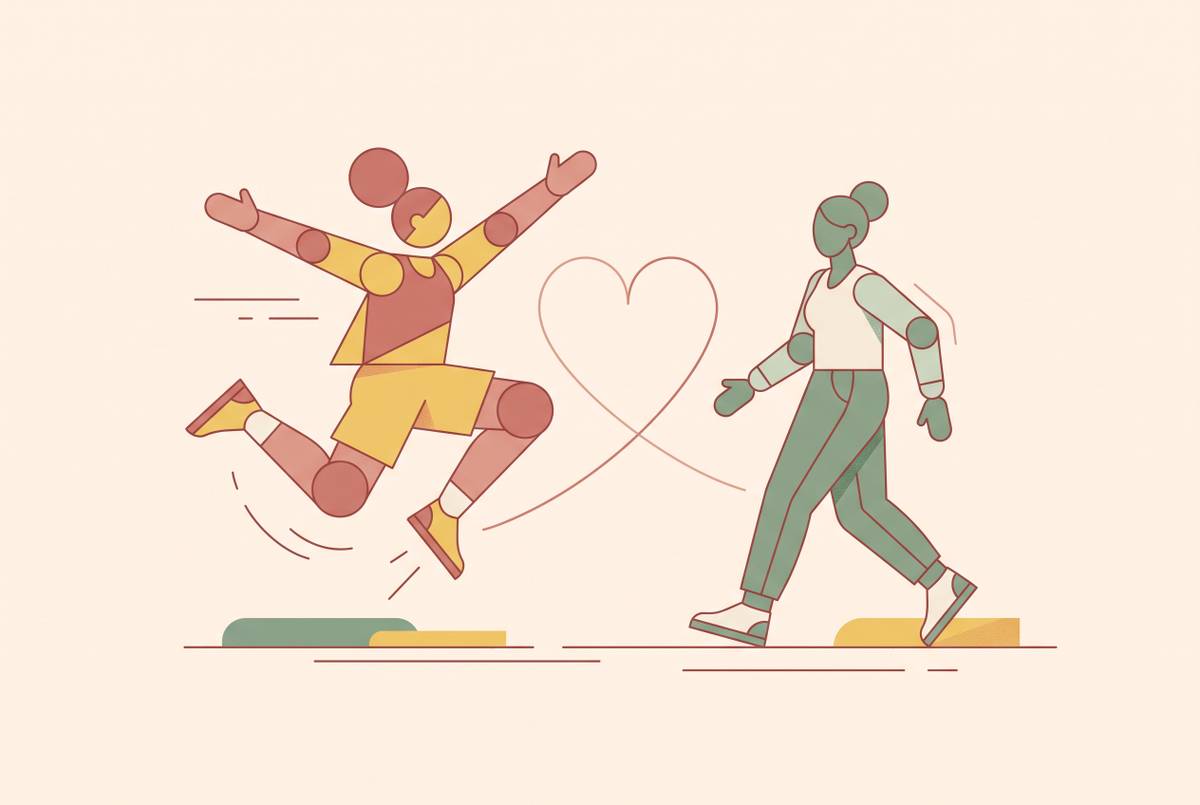
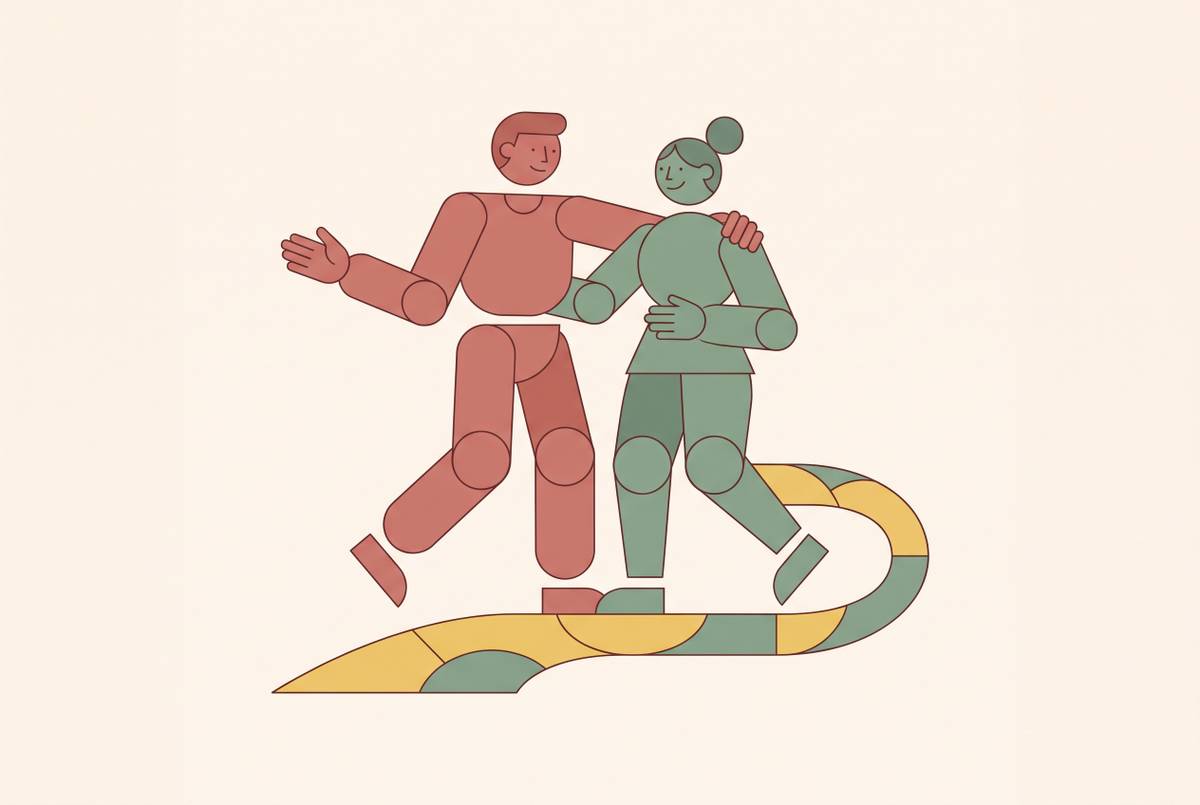
BYU researchers highlighted walking as the number-one activity couples reported in the study. That makes the entry point refreshingly ordinary. No gym membership or elaborate equipment is required, and the side-by-side format reduces the social pressure of sitting face-to-face. Conversation can feel less like an interview and more like time together. A casual walk need not be an intense workout to have relationship value.
For couples who want more physical challenge, hiking adds demanding terrain and decisions about route and pace. Those choices turn the outing into a shared task while adding cardiovascular and muscular work. Cycling offers a similar negotiation over speed and distance. In both cases, partners work together as they adjust along the way to the same destination. The activity can grow more demanding without turning every outing into an expedition worthy of a documentary.
Partner bodyweight exercises — workouts built for two that require no equipment
Partner-specific exercises make coordination part of the movement itself. For partner squats, stand facing each other, hold hands, lower into a squat simultaneously, and rise together. The move works quads, glutes, and hamstrings, while shared timing keeps both people involved. Neither partner can retreat entirely into a private workout.
Wheelbarrow push-ups ask for more trust, as one partner holds the other’s ankles while they do push-ups. The exercising partner builds upper-body strength and core stability, while the anchor must remain attentive and steady. For partner plank high-fives, both partners hold a plank facing each other and alternate reaching out to high-five. This works the core, shoulders, and arms while requiring nonverbal coordination. The high-five has finally found employment beyond congratulating someone for finding parking.
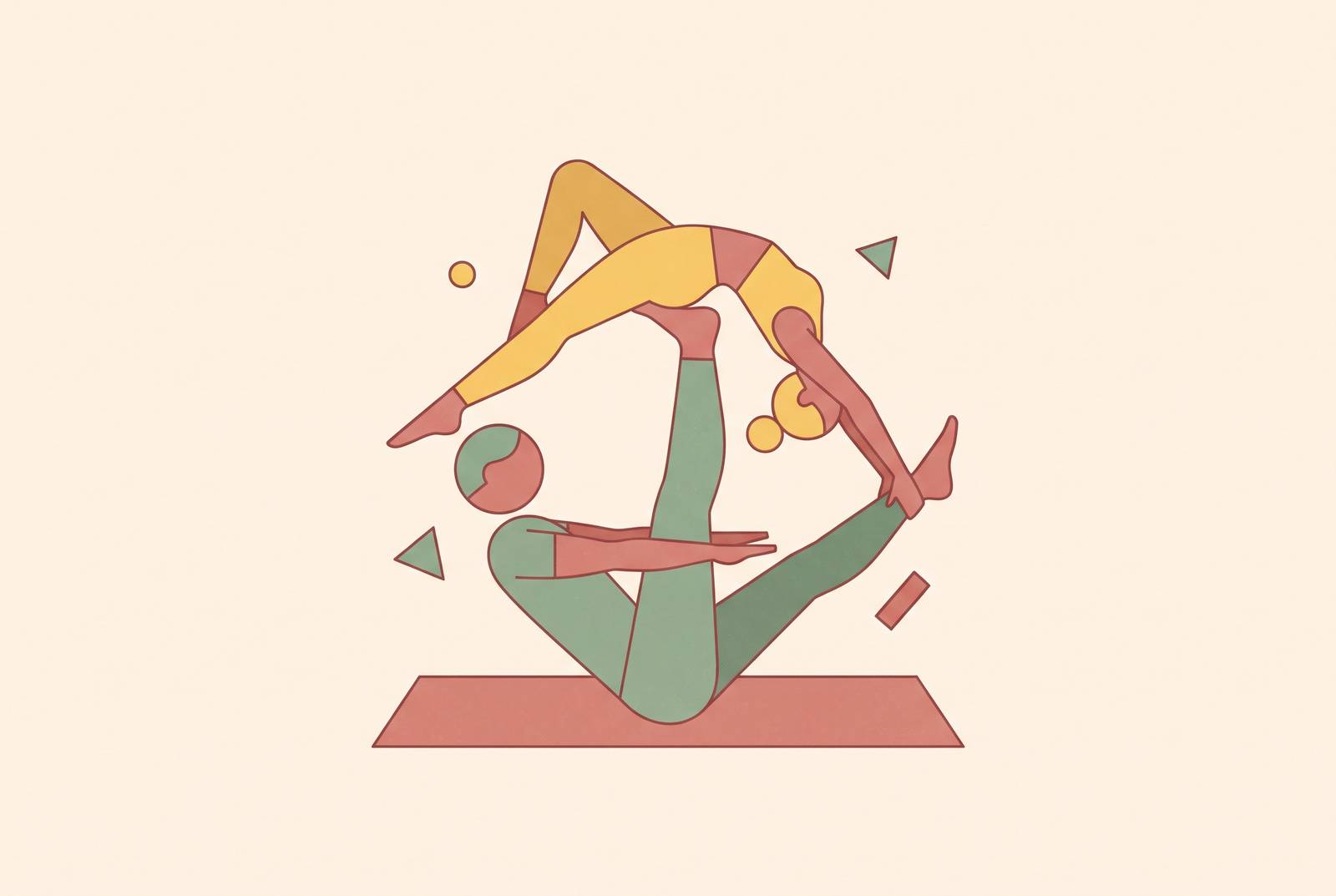
Buddy yoga adds balance to the partnership through poses such as double tree or back-to-back chair. These combine flexibility, balance, and relaxation with physical interdependence. Your partner is not just an audience for the effort. Their attention becomes part of it.
Dance classes — cardio that teaches couples to follow and lead
Salsa, ballroom, and swing ask couples to communicate through touch, weight, and rhythm while negotiating leading and following. The cardio work benefits cardiovascular fitness, balance, and stress. Yet the most useful feature for an intimidated couple may be the shared beginner status.
Learning a new style exposes both partners to small mistakes and shared vulnerability. That can level a fitness gap that feels much larger in a conventional workout. Being fit does not mean your feet know what to do next. For couples not ready for a class, a dance party workout at home offers a no-cost, no-skill-threshold alternative. Putting on a playlist and moving freely keeps the novelty and play without requiring anyone to negotiate a formal lead.
HIIT workouts for couples — high intensity in short windows, done side by side
For couples with only half an hour available, HIIT addresses the scheduling problem rather than winning a contest against other workouts. Sessions often run under half an hour, with cardiovascular and metabolic benefits that can be comparable to much longer steady-state exercise. The alternating pattern of intense effort and short rest also creates openings for encouragement and eye contact. Sometimes the available window is small, and the workout needs to fit inside it.
A timed challenge can make that window feel like a game. The Heart Rate Challenge uses a short interval, one exercise such as burpees, squats, or jumping jacks, and a combined count of completed reps. The format requires no equipment, and the shared total keeps the competitive element playful. The aim is joint effort.
Pilates and partner-assisted stretching — recovery as a shared practice, not an afterthought
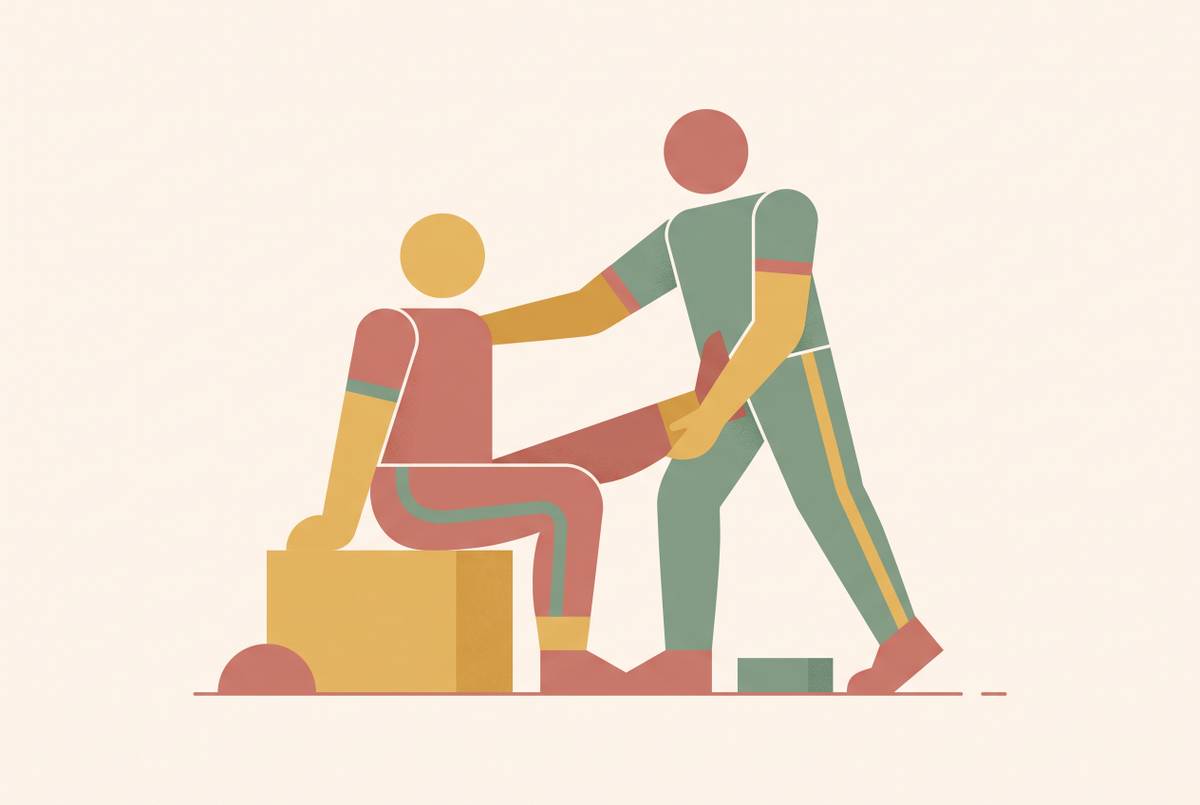
Some of the deepest physical connection can happen when the hard effort stops. Partner-assisted stretching asks one person to provide gentle resistance while the other relaxes into the stretch. The helper must stay attentive, while the recipient allows someone else to guide the movement. Trust becomes a physical task. This is the cool-down that counts.
Pilates is another slower, low-impact way to move together, with deep breathing, core work, and movements that partners do in time with each other. Reformer spring resistance can be modified for different skill levels and physical conditions, so partners need not have identical abilities to share the format. A scheduled class also provides a standing appointment. Skipping then requires an active decision. Together, assisted stretching and structured low-impact work give couples something to do together on recovery days as well as a way to take a break from harder sessions.
Why consistency matters more than which activity a couple chooses
The relationship benefits of shared exercise accumulate through repetition. A regular walk gives partners more chances to pay attention to each other than a big plan that rarely makes it off the calendar. Beginners therefore have permission to keep things fun and simple. Showing up repeatedly is how it starts to become familiar.
Experienced exercisers face the same basic requirement, even if the sessions are more demanding. Working out regularly from the start helps people feel more confident and better able to handle training demands, but building that habit has to come first. For couples, repeated sessions can also make shared movement part of the relationship’s identity.
A missed session should prompt reflection. Treating one absence as a failed week invites the all-or-nothing spiral that makes returning harder. A useful structure leaves room for imperfect weeks and gives both partners a clear way back.
How photo check-ins make shared fitness habits stick when motivation alone does not
A workout photo turns a private action into something a partner can witness and respond to. Unlike an unseen log entry, it gives showing up a visible place in the relationship. Progress photos can also show changes that are hard to see when someone checks the mirror every day, though changes may not be visible. The immediate purpose is simpler than tracking appearance. It is a small record of effort shared with someone who cares.
Harkin et al.’s 2015 research in Psychological Bulletin found that people were more likely to reach goals when they shared their progress publicly or kept a physical record of it. That supports the broader accountability principle, while the ability of a private photo tool to produce the same results remains unproven. SweatCam puts that principle to work with weekly workout goals and quick photo logs. Partners choose how many days to work out, see each other’s logged photos right away, and track how they do each week. Photos stay private between partners and can never be seen by the public, and partners need a paid subscription to log workouts.
The format also works when schedules separate the workouts. One partner can attend a reformer class while the other goes on a trail run, with the check-in connecting otherwise independent sessions. Optional wagers, such as buying dinner or doing a chore after missing a weekly goal, add light stakes. The tone should remain playful and supportive.
Navigating different fitness levels so the gap becomes a feature, not a friction point
Different fitness levels become frustrating when matching output is treated as the price of exercising together. A coordination approach asks a different question, namely how both people can take part without one always feeling dragged along or held back. For couples in that position, alternating who sets the pace or chooses the activity distributes agency. Both people get a say in the session. That is already practice in the relationship skill the workout is meant to build.
The exercise can also challenge each partner differently. A beginner might work on form while a partner with more experience adds load or speed, so they can work out together without having to put in the same effort. On separate-workout days, photo check-ins sidestep the comparison by recording each person’s attendance. A new exerciser can treat a partner’s consistency as evidence of what is possible. Support leaves room to develop, while control turns every difference into a deficit.
Turning a shared workout routine into a lasting relationship habit
Starting can be as simple as agreeing on three workouts a week, with any activity counting toward the goal. Walking, bodyweight work, dance, HIIT, and Pilates or stretching provide options for different schedules, settings, and levels of effort. There is no need to settle on one permanent favorite. The structure only needs to be manageable enough that both partners can return after an imperfect week. A complex plan that collapses at the first interruption offers less than a modest agreement that survives it.
Within that agreement, a quick photo check-in can connect sessions when a shared time slot is unavailable. A high-five, a shared image, or a small wager honored gives showing up a ritual. Those gestures give effort its due without calling for a personal best. Over time, the routine becomes less about persuading each other to exercise and more about protecting a familiar way to connect. The habit belongs to both partners, because both have helped make room for it.